

Conviction and Sentencing of Former Prime Minister Sheikh Hasina in Purbachal Plot Allocation Cases

- আপডেট : বৃহস্পতিবার, ২৭ নভেম্বর, ২০২৫
- ১১ বার দেখা হয়েছে
National Desk
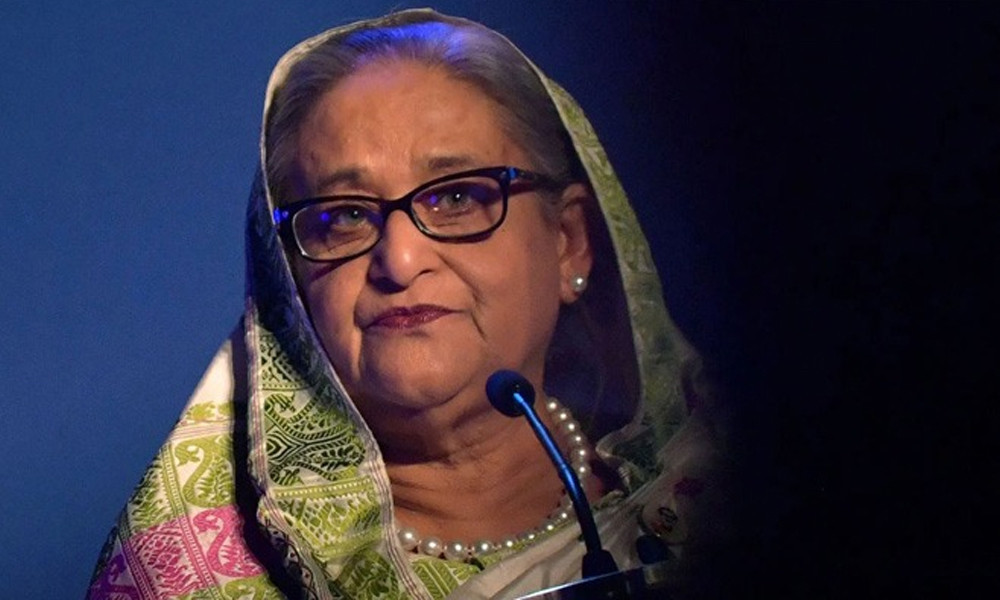
A Dhaka court today convicted and sentenced former Prime Minister Sheikh Hasina to a total of 21 years imprisonment in three separate cases concerning alleged irregularities in the allocation of 30-katha plots under the Rajuk New Town Project in Purbachal. Each case carries a seven-year sentence, with an accompanying fine of Tk 1 lakh per case, or an additional 18 months imprisonment in default of payment.
Judge Mohammad Abdullah Al Mamun of the Dhaka Special Judge Court-5 delivered the judgment in absentia, as none of the convicted individuals have been arrested. The court began reading the verdict at 11:23 am and concluded by 11:40 am.
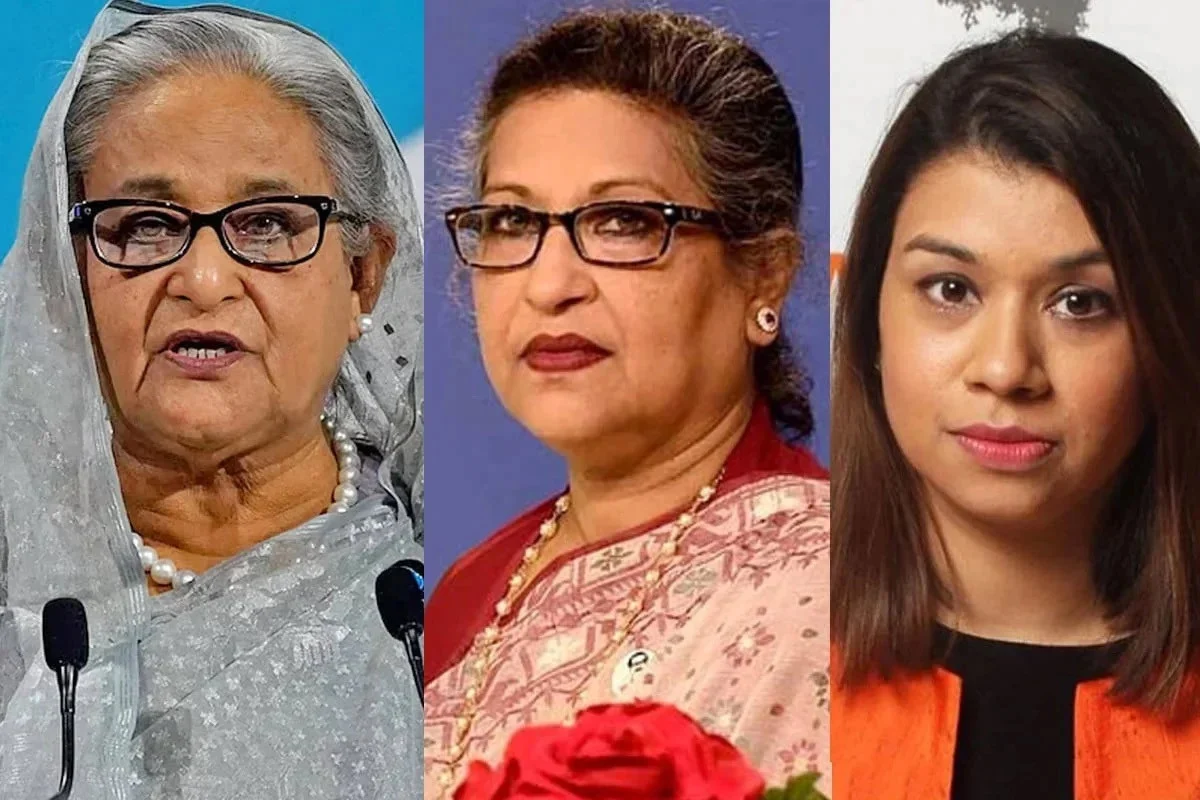
Alongside Sheikh Hasina, her son Sajeeb Wazed Joy and daughter Saima Wazed Putul were each sentenced to five years imprisonment in the respective cases filed against them, with fines of Tk 1 lakh each, or an additional month in default. The three cases collectively involved 47 accused persons, though representing 23 individuals. Of these, 22 were found guilty and received varying jail terms.
Former state minister for Housing and Public Works Sharif Ahmed, former secretary Shahid Ullah Khandaker, and former additional secretary (Administration) Kazi Wasi Uddin were each sentenced to 18 years imprisonment and fined Tk 3 lakh in the three cases. Former senior assistant secretary Purabi Goldar received one-year imprisonment in each case and a total fine of Tk 20,000. Former RAJUK chairman Md Anisur Rahman Miah was sentenced to 15 years imprisonment and fined Tk 1,50,000 across the cases.
Other RAJUK officials convicted include Mohammad Nasir Uddin and Major (Retd) Shamsuddin Ahmed Chowdhury, sentenced to nine years imprisonment and fined Tk 60,000 each. Kabir Al Asad received three years imprisonment and a Tk 20,000 fine in one case. Tanmay Das and Md Nurul Islam were each sentenced to six years imprisonment and fined Tk 40,000 in two cases. Mohammad Khurshid Alam received three years imprisonment and Tk 15,000 fine across three cases.
Additional convictions included Sheikh Shahinul Islam and Md Kamrul Islam, sentenced to three years imprisonment and Tk 20,000 fine each, and Md Hafizur Rahman and Habibur Rahman, sentenced to one year imprisonment with Tk 5,000 fine each. Naeb Ali Sharif received two years imprisonment across two cases with a total fine of Tk 10,000, while Mazharul Islam was sentenced to one year imprisonment and fined Tk 5,000. Mohammad Salahuddin, former personal secretary-1 to the ousted prime minister, received 12 years rigorous imprisonment and a Tk 2 lakh fine across two cases. RAJUK administrative officer Md Saiful Islam Sarkar was acquitted.
The court observed that the plots were allocated to Sheikh Hasina without any formal application and outside the legally authorized jurisdiction. It further noted that the existing provision allowing the government to recommend individuals for plot allocation should not be retained.
The cases were initiated by the Anti-Corruption Commission (ACC) in January 2025. The first case, filed on January 14 by ACC Deputy Director Md Salahuddin, concerned alleged irregularities in allocating a 10-katha plot to Sheikh Hasina and initially named eight accused, later extended to 12. The second case, filed by ACC Assistant Director SM Rashedul Hasan, involved 15 accused, including Sheikh Hasina and Sajeeb Wazed Joy, later revised to 17. The third case, filed by ACC Assistant Director Afnan Jannat Keya on January 12, included 16 accused, including Sheikh Hasina and Saima Wazed Putul, later revised to 18.
Charges in all three cases were formally framed on July 31, 2025, and arrest warrants issued. A total of 29 witnesses testified during the proceedings, covering alleged irregularities in the allocation process, administrative lapses, and compliance with legal protocols.
The verdict underscores judicial scrutiny over housing and land allocation processes within government-administered projects, highlighting the legal consequences of alleged deviations from statutory procedures and the importance of transparent administrative practices in public land management.



প্রধান সম্পাদক: রাশিদুল হাসান বুলবুল, নির্বাহী সম্পাদক: নূরুল মোমেন খান চৌধুরী (রুমী),
দেশ মিডিয়া ওয়ানবিডি লিঃ এর পক্ষে- মোছাঃ হুসনা খাতুন কর্তৃক : ক-৪২/ (২য় তলা), বারিধারা, ঢাকা থেকে প্রকাশিত এবং মেসার্স ঝরনা প্রিন্টার্স, ১৭০ ফকিরাপুল, মতিঝিল, ঢাকা থেকে মুদ্রিত:
ফোন: ৮৪১৮১৪৪, মোবাইল: ০১৭৫৯৫১৬৭১৬, ০১৭৩৬৬১১৮১১,
E-mail: deshmedia1@gmail.com , Web: deshmediabd.com