

Bangladesh Records 19.13% Rise in FDI One Year After July Uprising

- আপডেট : সোমবার, ৩ নভেম্বর, ২০২৫
- ৪৯ বার দেখা হয়েছে
Economy Desk:
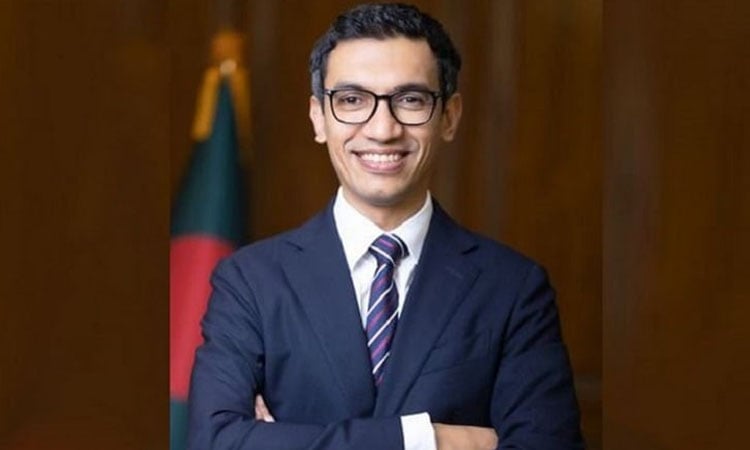
Bangladesh has registered a 19.13 percent increase in Foreign Direct Investment (FDI) within a year of the 2024 July Uprising, according to newly released data from the World Bank and Bangladesh Bank. The growth, revealed today by the Bangladesh Investment Development Authority (BIDA), underscores the nation’s economic resilience and investor confidence despite the political and social disruptions that typically follow such mass movements.
The data was made public through a Facebook post by BIDA Executive Chairman Chowdhury Ashik Mahmud Bin Harun under the title “FDI Picture Post-Mass Uprising.” The report compares Bangladesh’s post-uprising investment trajectory to other countries that experienced major political or civil unrest, highlighting Bangladesh as a rare case of positive FDI growth in the first year following a large-scale public movement.
According to the comparative analysis, all other reviewed nations recorded significant declines in FDI in the year following their respective uprisings. The data shows Sudan experienced a 27.60 percent decrease in FDI after the 2019 uprising, while Sri Lanka recorded a 19.49 percent drop in 2022. Similarly, Chile’s FDI fell by 15.68 percent in 2019, Ukraine by 81.21 percent in 2014, Egypt by 107.55 percent in 2011, and Indonesia by 161.45 percent in 1998.
In contrast, Bangladesh’s positive FDI performance marks a distinctive deviation from these global patterns. The BIDA Chairman credited the achievement to the coordinated efforts of key national institutions and sound economic policymaking. “This success has been possible due to the sincerity of major institutions such as the National Board of Revenue (NBR) and Bangladesh Bank,” he stated, emphasizing that the country’s consistent policy direction and targeted initiatives across sectors played a pivotal role.
Chowdhury also attributed the continued growth to the resilience and determination of Bangladesh’s private sector. He praised the collaborative approach among all stakeholders, noting that “the indomitable spirit of the private sector and the united efforts of all institutions have been vital in sustaining investor confidence.”
He further highlighted the contributions of government agencies responsible for investment facilitation, including the Public-Private Partnership (PPP) Authority, Bangladesh Economic Zones Authority (BEZA), and BIDA itself. These agencies, he said, have moved beyond traditional bureaucratic functions to actively assist both domestic and foreign investors through hands-on engagement and policy support.
Despite the encouraging figures, the BIDA Chairman advised stakeholders to remain cautious in interpreting short-term FDI trends. With the upcoming national election approaching, he noted that a temporary decline in investment inflows could occur as investors await political clarity.
“FDI typically softens ahead of elections, but the pattern usually stabilizes afterward,” he remarked. He encouraged investors and policymakers to adopt a long-term outlook, adding that Bangladesh’s fundamentals remain strong and that post-election stability is expected to restore balance to investment flows.
Economic analysts suggest that this upward trend, if sustained, could strengthen Bangladesh’s regional competitiveness and bolster its image as a stable and resilient destination for global investors. The performance also reflects growing confidence in Bangladesh’s reform-driven approach to economic management, institutional accountability, and policy consistency.
The continued focus on strengthening governance, improving ease of doing business, and maintaining macroeconomic stability is expected to be key to sustaining this growth momentum. Experts also note that maintaining this trajectory will require balancing political stability with further structural reforms to attract sustainable, high-quality foreign investments.














প্রধান সম্পাদক: রাশিদুল হাসান বুলবুল, নির্বাহী সম্পাদক: নূরুল মোমেন খান চৌধুরী (রুমী),
দেশ মিডিয়া ওয়ানবিডি লিঃ এর পক্ষে- মোছাঃ হুসনা খাতুন কর্তৃক : ক-৪২/ (২য় তলা), বারিধারা, ঢাকা থেকে প্রকাশিত এবং মেসার্স ঝরনা প্রিন্টার্স, ১৭০ ফকিরাপুল, মতিঝিল, ঢাকা থেকে মুদ্রিত:
ফোন: ৮৪১৮১৪৪, মোবাইল: ০১৭৫৯৫১৬৭১৬, ০১৭৩৬৬১১৮১১,
E-mail: deshmedia1@gmail.com , Web: deshmediabd.com