

Government Strengthens Security and Operational Measures Ahead of February General Election

- আপডেট : মঙ্গলবার, ২ ডিসেম্বর, ২০২৫
- ১১ বার দেখা হয়েছে
National Desk
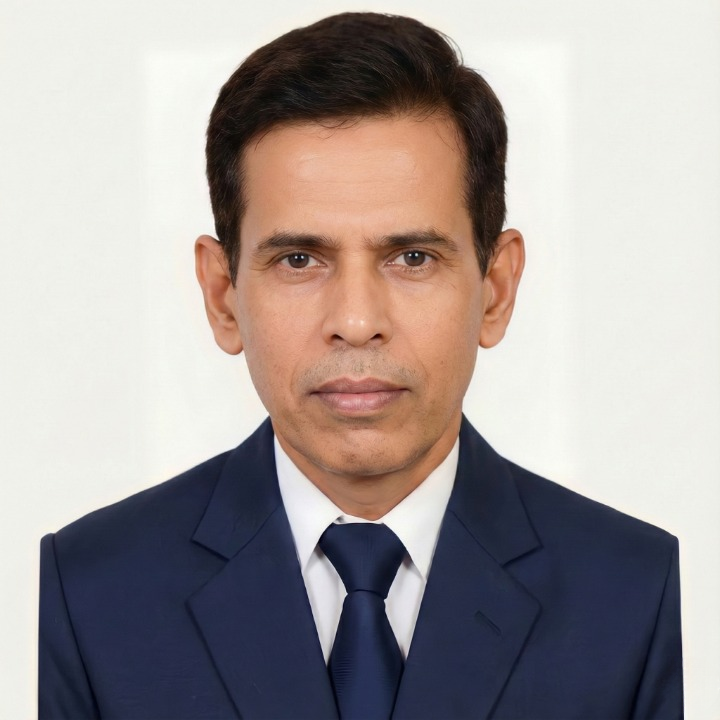
The government has launched an extensive security and operational preparation plan ahead of the upcoming national parliamentary elections, with Home Adviser Lieutenant General (Retd.) Md Jahangir Alam Chowdhury affirming the administration’s commitment to ensuring a free, fair, and peaceful poll. The election is scheduled to be held in February 2026.
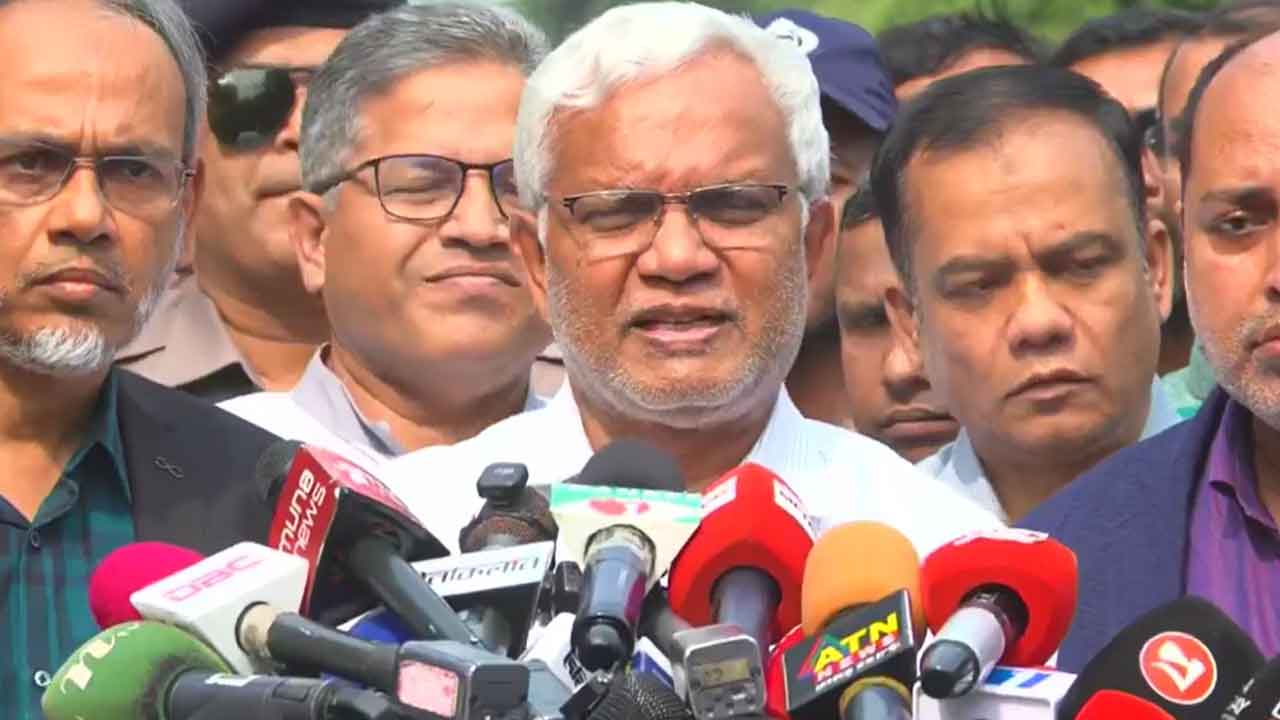
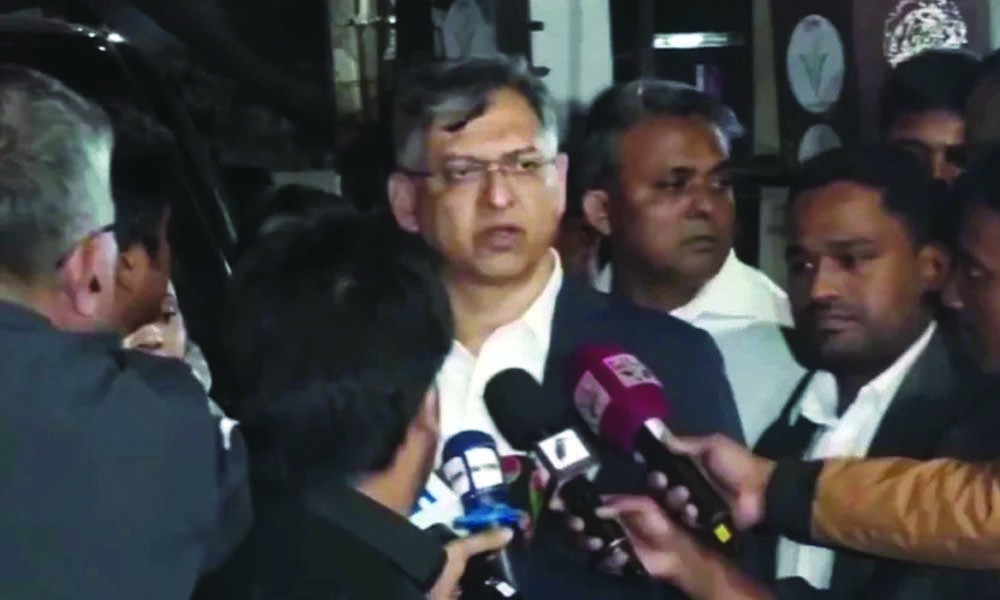
Speaking to the press, the Home Adviser emphasized that the government is making every effort to deliver a credible election and highlighted the importance of cooperation from media and all stakeholders. He stated that, with proper coordination among all agencies, the elections are expected to proceed without significant challenges.
As part of the comprehensive security strategy, approximately nine lakh law enforcement personnel, including members of the police, Ansar, Border Guard Bangladesh (BGB), army, and other relevant agencies, will be deployed nationwide throughout the election period. These personnel will undergo election-specific training to ensure duties are performed impartially and professionally. The training for police, Ansar, Village Defence Party (VDP), BGB, and military personnel is scheduled to conclude by January 2026.
To enhance transparency and accountability, the Home Ministry has decided to equip all high-risk polling centres with body-worn cameras, which will be operated by the senior-most police officer at each location. This initiative is intended to monitor the electoral process and prevent irregularities.
To maintain neutrality in administrative oversight, transfers of key officials have been conducted through a lottery system. Superintendents of Police (SPs) for all 64 districts, officers-in-charge (OCs), and Upazila Nirbahi Officers (UNOs) have been reassigned via lottery in the presence of media representatives. Following the announcement of the election schedule, the Election Commission will assume full authority over postings and transfers. Discussions are ongoing regarding the deployment, logistical arrangements, and coordination among district- and upazila-level administrators, including Deputy Commissioners (DCs), UNOs, SPs, and OCs. Officials who have served in previous general elections may be excluded from election duty to reinforce neutrality.
Inaugurating an election-duty training programme at Rajarbagh Police Lines on September 7, Lt. Gen. (Retd.) Chowdhury instructed police officers to maintain a strict distance from political figures. He underscored the importance of integrity, patience, and zero tolerance for extortion and drug-related activities during the election period.
The Election Commission (EC) has provided law enforcement agencies with a deployment outline, detailing static, mobile, and reserve components, as well as cyber security monitoring through the National Technology Management Centre (NTMC). The magistracy powers of armed forces will remain in effect until February 2026.
A special nine-day security plan will be enforced surrounding the election—five days prior, one day during, and three days after polling. Deployment is expected to include nearly 100,000 army personnel, 35,000 BGB members, 5,000 naval personnel, 4,000 from the Coast Guard, and around 8,000 from the Rapid Action Battalion (RAB). Ansar personnel, approximately 550,000 in number, will also play a central role, equipped with weapons and body cameras.
The BGB will deploy a total of 1,210 platoons across the country, operating in all upazilas except Sandwip, Hatia, and Kutubdia, while functioning independently in 60 of the 115 border upazilas. The BGB’s election training, which began on August 24, 2025, is being conducted in four phases and will continue until January 22, 2026.
Lt. Gen. (Retd.) Chowdhury stated that these preparations reflect the directives of the chief adviser and the government’s commitment to conducting a credible election. He emphasized that the measures aim to ensure stability, maintain law and order, and guarantee public confidence in the electoral process. The adviser also reiterated the government’s resolve to deliver a fair election and credited recent political developments to widespread public participation rather than individual initiatives.
The extensive training, strategic deployment, and transparency measures indicate the government’s efforts to uphold the integrity of the electoral process and facilitate peaceful and orderly national elections.

প্রধান সম্পাদক: রাশিদুল হাসান বুলবুল, নির্বাহী সম্পাদক: নূরুল মোমেন খান চৌধুরী (রুমী),
দেশ মিডিয়া ওয়ানবিডি লিঃ এর পক্ষে- মোছাঃ হুসনা খাতুন কর্তৃক : ক-৪২/ (২য় তলা), বারিধারা, ঢাকা থেকে প্রকাশিত এবং মেসার্স ঝরনা প্রিন্টার্স, ১৭০ ফকিরাপুল, মতিঝিল, ঢাকা থেকে মুদ্রিত:
ফোন: ৮৪১৮১৪৪, মোবাইল: ০১৭৫৯৫১৬৭১৬, ০১৭৩৬৬১১৮১১,
E-mail: deshmedia1@gmail.com , Web: deshmediabd.com